ID_438:ID2_998 :: Копия содержания
страницы:
ID_438:ID2_998 :: Копия содержания
страницы: 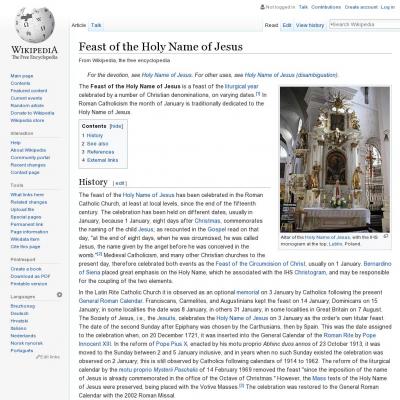 «Праздник Святого Имени Иисуса»
«В Книге общей молитвы из Епископальной Церкви Соединенных Штатов Америки с 1979 года, праздник Обрезания Христова отмечается 1 января будет отображаться в списке «Праздник Святого Имени Господа нашего Иисуса Христа». [ 1 ]» |
The Feast of the Holy Name of Jesus is a feast of the liturgical yearcelebrated by a number of Christian denominations, on varying dates.[1]
The feast of the Holy Name of Jesus has been celebrated in the Roman Catholic Church, at least at local levels, since the end of the fifteenth century. The celebration has been held on different dates, usually in January, because 1 January, eight days after Christmas, commemorates the circumcision and naming of the child Jesus; as recounted in the Gospel read on that day, "at the end of eight days, when he was circumcised, he was called Jesus, the name given by the angel before he was conceived in the womb."[2] Medieval Catholicism, and many other Christian churches to the present day, therefore celebrated both events as the Feast of the Circumcision of Christ, usually on 1 January. Bernardino of Siena placed great emphasis on the Holy Name, which he associated with the IHS Christogram, and may be responsible for the coupling of the two elements.
In the Latin Rite Catholic Church it is observed as an optional memorial on 3 January by Catholics following the present General Roman Calendar. Franciscans, Carmelites, and Augustinians kept the feast on 14 January; Dominicans on 15 January; in some localities the date was 8 January, in others 31 January, in some localities in Great Britain on 7 August. The date of the second Sunday after Epiphany was chosen by the Carthusians, then by Spain. This was the date assigned to the celebration when, on 20 December 1721, it was inserted into the General Calendar of the Roman Rite by Pope Innocent XIII. In the reform of Pope Pius X, enacted by his motu proprio Abhinc duos annos of 23 October 1913, it was moved to the Sunday between 2 and 5 January inclusive, and in years when no such Sunday existed the celebration was observed on 2 January; this is still observed by Catholics following calendars of 1914 to 1962. The reform of the liturgical calendar by the motu proprio Mysterii Paschalis of 14 February 1969 removed the feast "since the imposition of the name of Jesus is already commemorated in the office of the Octave of Christmas." However, the Mass texts of the Holy Name of Jesus were preserved, being placed with the Votive Masses.[3] The celebration was restored to the General Roman Calendar with the 2002 Roman Missal.
In some Anglican churches including the Episcopal Church in the United States of America and the Anglican Church of Canada, the feast is observed on 1 January. In the Book of Common Prayer of the Episcopal Church of the United States of America since 1979, the Feast of the Circumcision of Christ celebrated on 1 January is now listed as the "Feast of the Holy Name of Our Lord Jesus Christ".[1] In the Church of England, the calendar of the 1662 Book of Common Prayer stipulates a festival "The Name of Jesus" to be observed on 7 August, but in the more recent Common Worship resources the Feast of the Circumcision of Christ (1 January) takes its place as the primary festival of the name of Jesus.[1]
Many Eastern Churches celebrate the feast on 1 January.[1]
In the Lutheran Church, the Festival of the Holy Name of Jesus is celebrated on 1 January.[1]

Меня зовут Валера и я хочу запустить 2 вирусных идеи, которые искал уже давно, ЧТОБЫ ИЗМЕНИТЬ ЧТО-ТО В ЭТОМ МИРЕ.
Во-первых это символ +2800 значение которого совершенно противоположно +100500: 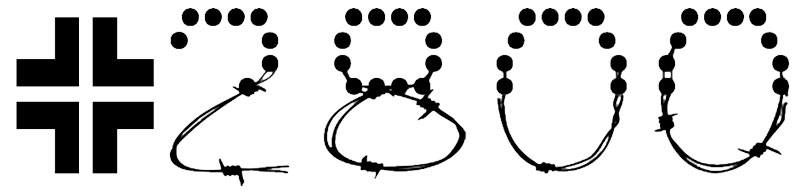
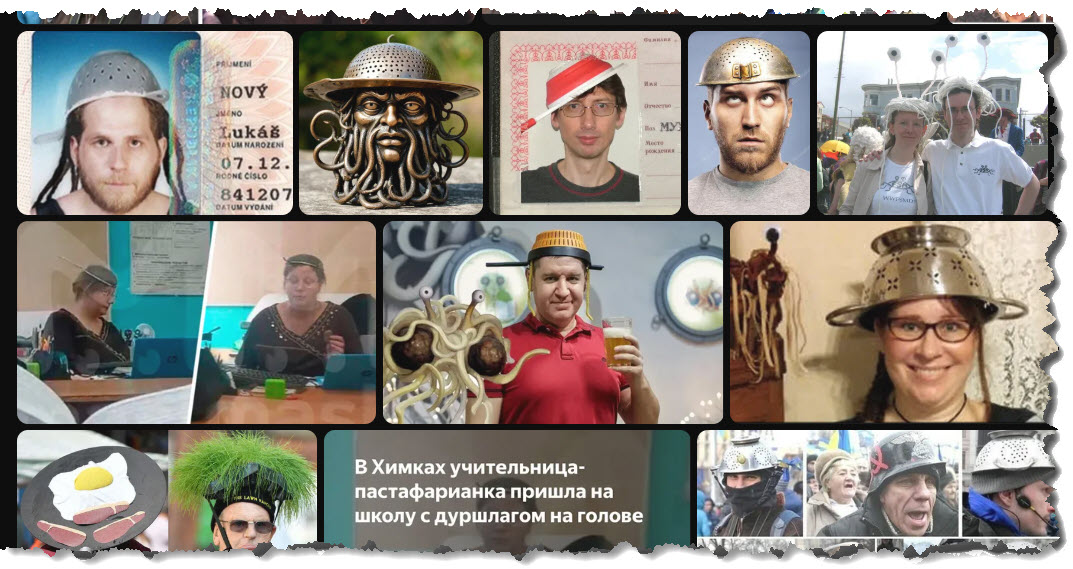
И он для того, чтобы рассказать о еврейском фашизме, 2800 рабах каждому еврею, а главное о каббалистическом языке и каббалистических методах и электронном концлагере который нам готовят и как его избежать. Я думаю многие из вас слышат об этом первый раз и не понимают о чем это я:-) Но это интересно, важно знать каждому и каждому важно рассказывать об этом другим. Подробнее об этом на сайте plus2800.ru. А во-вторых волшебный третий нос на лбу:-) Это как у пастофарианцев друшлак на голове. Во 1-ых это тоже религиозный символ придуманный для того, чтобы рассказать о +2800 и его значениях. Во 2-ых наделяет сверхспособностью о которой мечтал один английский комик. В 3-их он может спасти тому кто его носит жизнь! А в 4-ых его можно использовать как антистресс который всегда под рукой. У учительницы их Химок были проблемы из-за того, что она пришла в школу с друшлаком на голове и вела в таком виде урок. Из-за этого у неё были проблемы и это была разовая акция. А ношение третьего носа можно обосновать и практическими соображениями перечисленными выше. Но при этом все равно все будут знать откуда взялась такая мода, для чего и какие смыслы несет. И подробней об этом на сайте plus2800.ru. А самое главное, что когда я начинал этот проект, то думал что люди верят в религиозную чушь, потому что не знают о лжи и преступлениях церквей и если им рассказать, то они перестанут верить. Но на самом деле ни х.... И многие готовы верить в это, поддерживать это или по крайней мере относиться нейтрально, потому что думают что хоть это и ложь, но ложь полезная и выгодная, поэтому пусть будет. Хм... Возможно поможет если объяснить, что это вредная ложь и они то как раз и создают проблемы, которые решают. Но как ни странно это тоже малоэффективно. А знаете в чем причина? Людей зазомбировали и научили так, что им кажется. что они думают сами, а на самом деле думают чужими мыслями и никакие аргументы и факты ничего не изменят. Вот если телевизор скажет и в то, что будут говорить люди вокруг они поверят скорее чем логике и здравому смыслу. Поэтому чтобы они "услышали" логику и здравый смысл, нужно чтобы миллионы людей говорили об этом. И для этого и был придуман волшебный третий нос на лбу. И вот если миллионы, десятки миллионов, сотни миллионов будут носить волшебный третий нос и рассказывать о том, что зашифровано в символе +2800, то они вдруг услышат здравый смысл и логике и вдруг они "поймут"... Хотя на самом деле нет, а просто опять поверят авторитету. Но в принципе это на данном этапе и не важно - главное результат. Но в общем идея такая и подробнее об этом на сайте plus2800.ru |

|
Скачать все эти страницы с ссылками и привязанными к ним файлами |
 |
|||
|
|